





In a bold move to reshape the narrative around education in Zimbabwe, the Education Coalition of Zimbabwe (ECOZI) recently convened a high-level Gender Equality and Social Inclusion (GESI) training for media professionals in Harare. The initiative, attended by journalists, editors, radio producers, and social media influencers from across the country, aims to equip the media with the tools and knowledge to report on education through a gender-sensitive and inclusive lens.
The training comes at a critical time, as Zimbabwe continues to grapple with persistent gender disparities, social exclusion, and the devastating impact of climate disasters on its education system.
ECOZI: A Pillar for Inclusive Education
Founded in 2009, ECOZI is a nationwide coalition of over 75 civil society organizations, teacher unions, faith-based groups, and community organizations dedicated to advocating for the right to quality, free, and inclusive education for all Zimbabweans—especially the most vulnerable and marginalized . Recognized by government and international partners, ECOZI has played a pivotal role in shaping education policy, promoting gender equality, and advancing social inclusion through evidence-based advocacy and grassroots engagement .
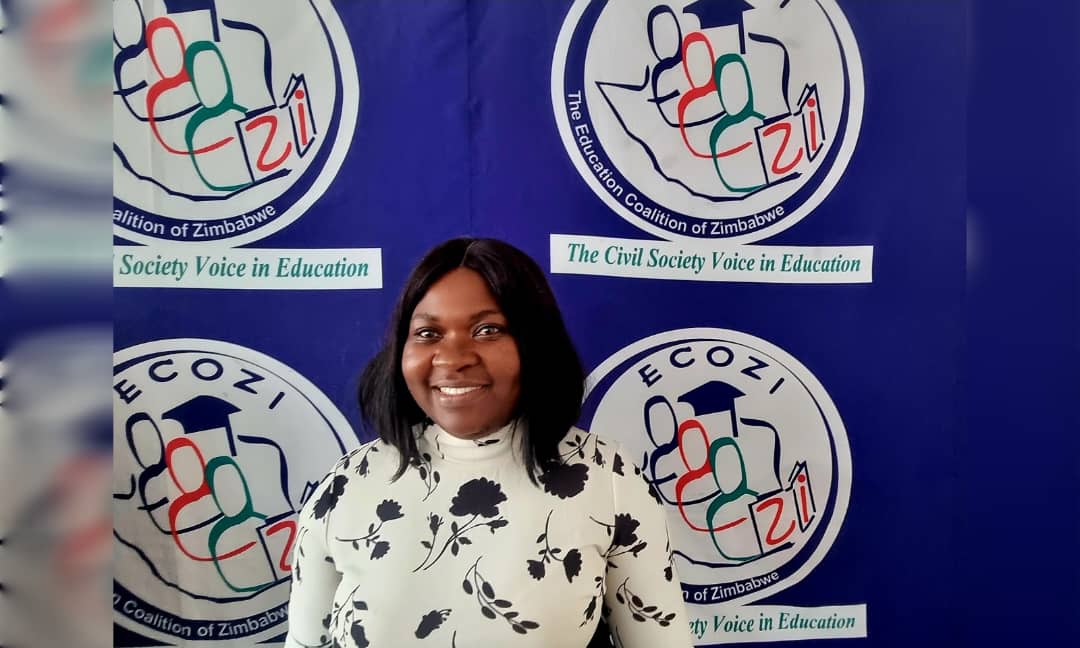
“Our mission is to ensure that no child is left behind, regardless of gender, disability, or circumstance. We believe the media is a powerful ally in this journey, capable of shaping public opinion, influencing policy, and amplifying the voices of those who are often unheard,” said Wadzanayi Chitiga, ECOZI’s Programme Manager, in an interview on the sidelines of the training.
The GESI Training: Building Media Capacity for Change
The GESI training, held in collaboration with key partners, is designed to strengthen the capacity of journalists and media professionals to report on education from a gender and inclusion perspective. Participants explored the legal frameworks underpinning inclusive education, the barriers faced by marginalized groups, and practical strategies for developing gender-sensitive content.
“This training seeks to bridge the gap in understanding GESI issues within the media. By empowering journalists to adopt a rights-based, gender-responsive approach, we are fostering a cadre of professionals who champion equality, foster accountability, and use their platforms to empower all segments of society,” Chitiga emphasized.
The session also highlighted the importance of sensitive language, community engagement, and the inclusion of parents and guardians in supporting children’s educational journeys.
Zimbabwe’s GESI Landscape: Progress and Persistent Gaps
Zimbabwe’s education system boasts strong legal and policy foundations for gender equality and social inclusion. The Constitution guarantees equal access to education, while the Education Amendment Act (2020) and the National Disability Policy reinforce the right to inclusive, compulsory, and state-funded basic education . A draft Inclusive Education Policy is currently under review, signaling further commitment to removing barriers for all learners.
Despite these advances, significant challenges remain. Children from rural and poor backgrounds, those with disabilities, and pregnant girls continue to face barriers to accessing and completing education. Only 1% of children from the poorest quintile complete upper secondary school, compared to 37% from the richest . Attendance at lower secondary drops to 48% for children with disabilities, compared to 58% for their peers . Early marriage remains a major obstacle, with one in three girls married before 18, often resulting in school dropout .
“We celebrate the progress made, such as policies supporting the re-entry of pregnant girls and the inclusion of sign language in public consultations. But we must confront the reality that many children—especially girls, those with disabilities, and those in rural areas—are still being left behind,” Chitiga noted.
Climate Disasters: A New Frontline in Education Inequality
The training also addressed the growing threat of climate change to education. Cyclone Idai, which struck Manicaland in 2019, destroyed or damaged 139 schools and displaced over 12,000 children, many of whom lost parents or guardians . Recovery has been slow, with only about 40% of destroyed classrooms rebuilt by 2021, and many children still learning in temporary or unsafe environments.
Droughts have further exacerbated food insecurity, leading to increased dropout rates and a spike in child marriages as families struggle to cope . School feeding programs and psychosocial support have been critical, but gaps remain.
“Climate change is real and is posing negative effects on the quality of education in Zimbabwe. During disasters like Cyclone Idai, many learners lost their breadwinners, and for some, that was the end of their education. The media must amplify these stories so that communities can receive the support they desperately need,” Chitiga urged.
She also encouraged the adoption of new media technologies to facilitate remote learning during emergencies—a lesson reinforced by the Covid-19 pandemic.
The Media’s Role: From Reporting to Advocacy
A central theme of the training was the transformative power of the media in shaping public discourse and policy. ECOZI called on journalists to move beyond traditional reporting and become advocates for gender equality and social inclusion in education.
“Journalists play a pivotal role in shaping public opinion, influencing social norms, and amplifying marginalized voices. Through this GESI training, we are equipping media practitioners with the knowledge, skills, and ethical grounding necessary to produce fair, sensitive, and inclusive reporting,” Chitiga said.
“By strengthening journalists’ capacity to identify and challenge gender and social biases, this initiative will contribute to a more informed, balanced, and just media landscape. Ultimately, we want to see a media sector that champions equality and uses its platform to ensure that no one is left behind,” she added.
Looking Ahead: A Roadmap for Inclusive Education
The training concluded with a call for a clear roadmap and multi-stakeholder strategies to advance GESI in education. ECOZI emphasized the need for gender-responsive budgeting, continuous monitoring and evaluation, and the active participation of parents, communities, and the media.
“We have a lot of work ahead, but with the media as our partner, we can build a Zimbabwe where every child—regardless of gender, ability, or background—has the opportunity to learn, thrive, and contribute to society,” Chitiga affirmed.
EazzyPay’s new digital payment platform promises to transform Zimbabwe’s fragmented financial landscape, with a special focus on driving financial inclusion and empowering rural communities.