







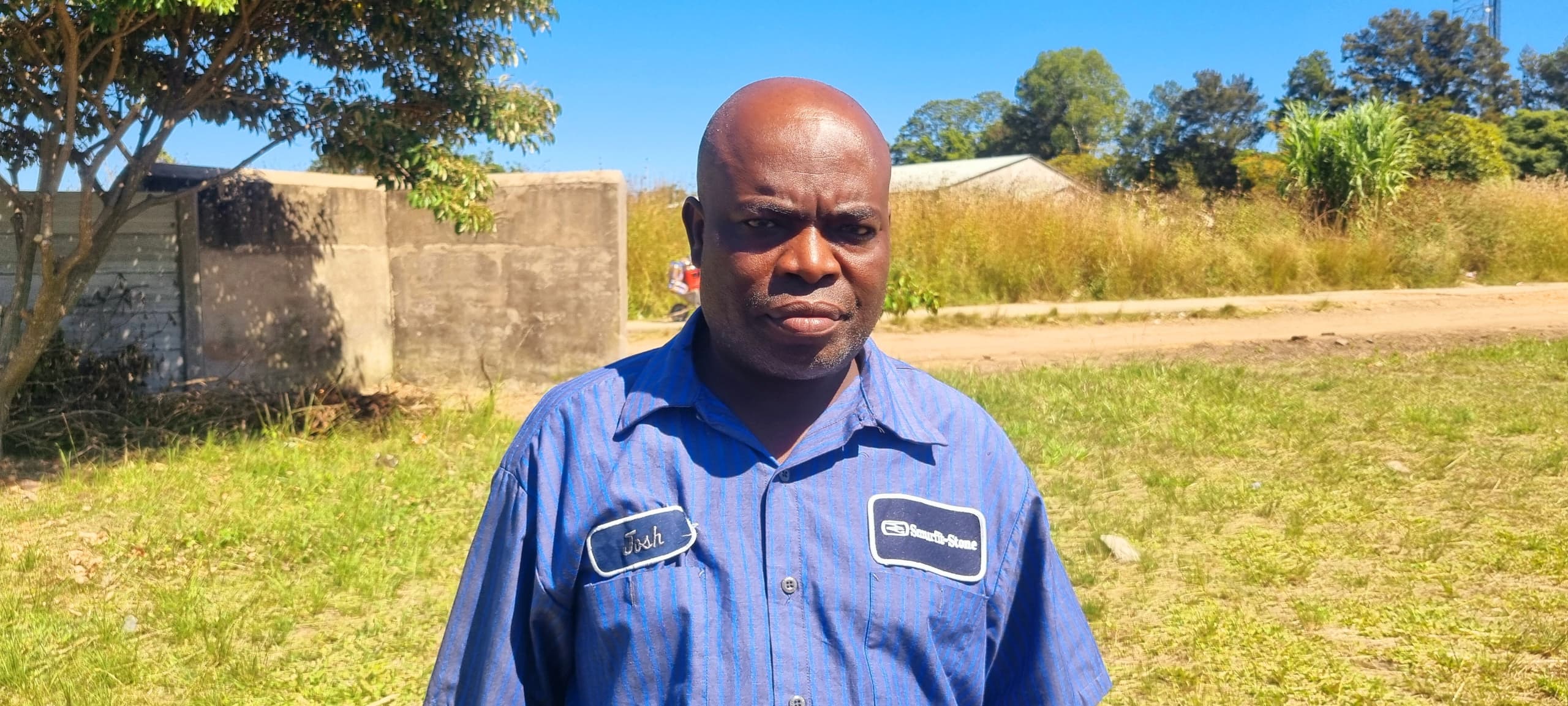
Community Mirror Reporter
Residents of Mabvuku have launched a petition campaign against illegal sand mining activities that are destroying the Cleveland Dam catchment area, a designated Ramsar site of international importance, ahead of Zimbabwe’s hosting of the COP15 wetlands conference in July 2025.
The sand mining operations, which began near the Mukuvisi River source behind Donnybrook Primary School, have progressively moved closer to Cleveland Dam, leaving a trail of environmental destruction including gullies and deep holes across the wetland ecosystem.
Cleveland Action Alliance Trust coordinator Jimmy Mahachi said that Mabvuku residents are disturbed by the continued sand mining on the Cleveland Dam site, which is a Ramsar site of international importance.
“As Zimbabwe prepares to host COP15, we need to practice what we preach regarding wetland protection. How can we demonstrate to the world that we protect our wetlands when internationally recognized sites are being destroyed under our watch?” he questioned.
The Cleveland Dam catchment area serves as a critical biodiversity hotspot and water source for Harare, supporting various ecosystems and providing habitat for numerous species including migratory birds.
Former member of parliament for Mabvuku-Tafara constituency Munyaradzi Febion Kufahakutizwi, expressed concern over the apparent collusion between enforcement agents and illegal miners.
“The problem has become rampant because enforcement agents appear to be working with illegal sand miners. Residents who raise concerns are even being threatened,” he said.
The petition effort is being coordinated by several community organizations, including Birdlife Zimbabwe, the Harare Wetlands Trust and Combined Harare Residents Association” (CHRA).
A Mabvuku resident Prudence Hanyani, emphasized the ecological importance of the site.
“Cleveland catchment area is a heritage site that houses numerous species. The sand mining activities are disturbing the ecosystem and affecting the biodiversity that depends on these wetlands,” she said.
Zimbabwe’s Environmental Management Act explicitly prohibits unauthorized activities in wetland areas and requires environmental impact assessments for any development projects.
However, implementation of these regulations has faced significant challenges.
The timing of this environmental crisis is particularly significant as Zimbabwe prepares to host the 15th Meeting of the Conference of the Contracting Parties to the Ramsar Convention (COP15) from July 23-31, 2025, in Victoria Falls.
The conference will bring together representatives from 172 countries to address critical issues related to wetland protection and sustainable water management.
“We implore the highest offices, including the Ministry of Environment, Climate and Wildlife and the Environment Management Agency (EMA), to join hands in stopping these destructive activities on our water sources,” added Gamuchirai Chakawira, a Tafara resident.
“Without wetlands, there is no water security for our communities. The destruction of Cleveland Dam’s ecosystem not only threatens our water supply but also undermines Zimbabwe’s international commitments to wetland conservation,” said Mufarowashe Dube, another concerned resident.
The petition, which is currently gathering signatures throughout the community, will be presented to Parliament with hopes of strengthening legislation on wetland protection and ending the destructive sand mining activities that threaten this crucial ecosystem.