







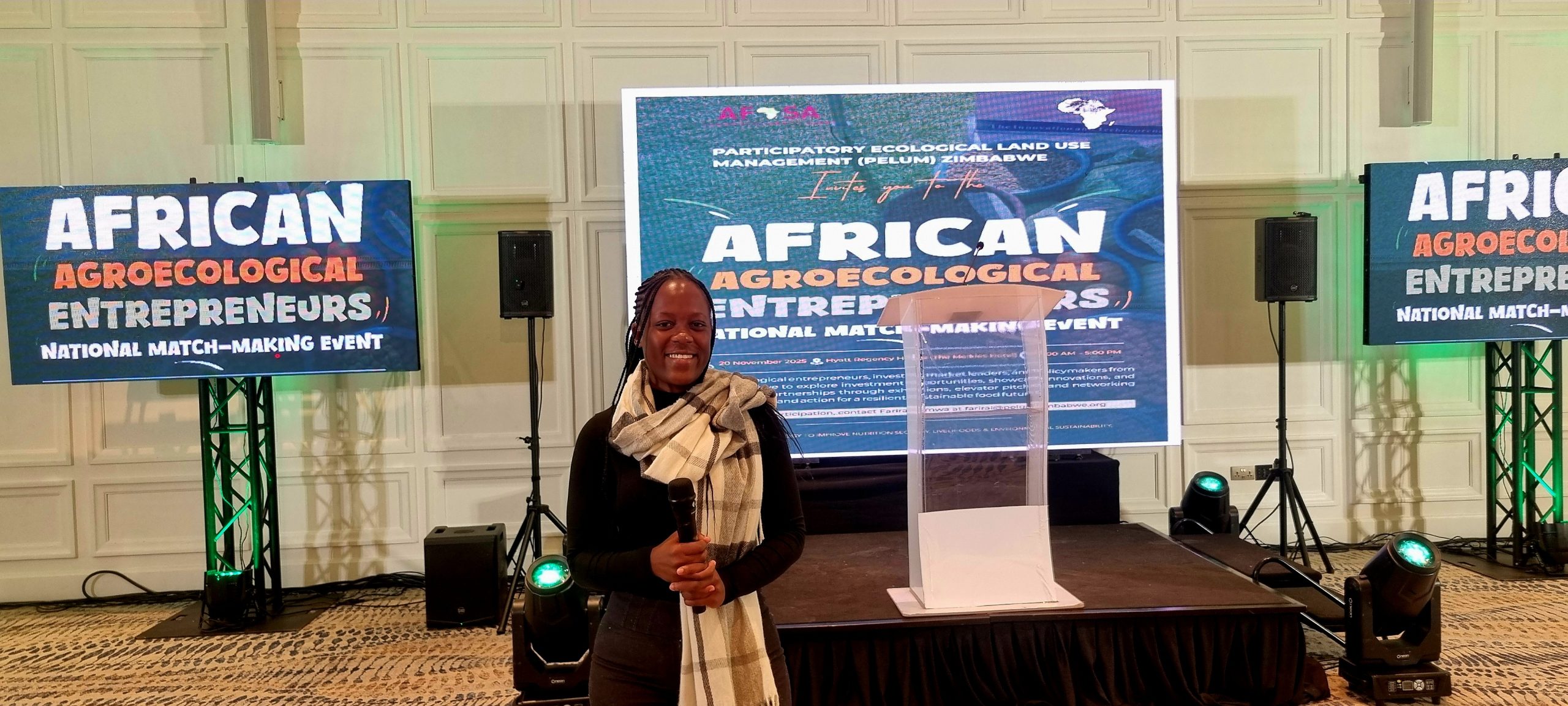
Zimbabwe’s ambitions for greener, healthier, and more resilient food systems took centre stage on Thursday, as agroecological entrepreneurs, investors, policymakers, and community leaders gathered at the Hyatt Regency Harare (The Meikles Hotel) for the inaugural African Agroecological Entrepreneurs National Match-making Event.
The landmark event, hosted by Participatory Ecological Land Use Management (PELUM) Zimbabwe, was designed to spark strategic partnerships and channel much-needed investment into the country’s burgeoning agroecological sector. Scores of entrepreneurs from across the country showcased an impressive array of products, from indigenous grains and herbal teas to climate-smart farming technologies and natural wellness goods.
Driving Zimbabwe’s Food System Transformation
Opening the event, Ms Farirai Jemwa, Programmes Officer at PELUM Zimbabwe, stressed the urgency of supporting home-grown agricultural innovation.
“Zimbabwe holds immense potential for investment, particularly in the food systems sector,” she said.
“Today’s event is about connecting our entrepreneurs—who are working on value addition and sustainable practices—with investors, mentors, and market leaders who can help propel their businesses forward. Our vision is to see these entrepreneurs become independent, with products that are not only recognised locally but also acclaimed in international markets.”

Ms Jemwa explained that the day’s programme included mentorship sessions, practical business guidance, and pitching opportunities for local entrepreneurs.
“We want to ensure these innovators understand the importance of business contracts and market dynamics, so they can stand on their own and create enduring livelihoods in Zimbabwe and beyond,” she added.
Balancing Tradition and Innovation
Founder and Managing Director of SECURICO Security Services Dr Divine Ndhlukula delivered an impassioned keynote urging a careful balance between indigenous ecological knowledge and scientific progress.
“In this era, with droughts occurring more frequently, farmers must prepare by embracing both traditional wisdom and scientific innovation,” Dr Ndhlukula explained.
“On my own farm, we harvest water wherever possible and plant more trees, especially indigenous species like acacias, which are vital for our livestock and ecosystems. Cutting down such trees for short-term gain undermines the sustainability of our agroecological businesses.”

Dr Ndhlukula also called on young farmers to rethink conventional practices.
“It is time to move away from clearing every piece of land for non-traditional crops like maize. Our heritage is in small grains and indigenous foods, which are healthier for our people and better suited to our environment. Preserving our land and focusing on diverse, climate-adapted crops is key to feeding Zimbabwe sustainably,” she noted.
She closed with a powerful message:
“Sustainability is no longer a luxury; it is a necessity. We must ensure that our pursuit of profit does not come at the expense of the planet. Let us leave this earth better than we found it.”
Unlocking Investment and Building Partnerships
In his address, renowned economist and investment banker Mr Nigel Chanakira highlighted the critical role of robust business planning and strategic alliances in attracting capital to Zimbabwean agriculture.
“For our agroecological ventures to thrive, we need clear, bankable business models focused on resilient practices such as conservation agriculture and integrated agro-processing,” Mr Chanakira stated.
“Partnerships especially joint ventures with established commercial farmers and leveraging government incentives are crucial for scaling up.”
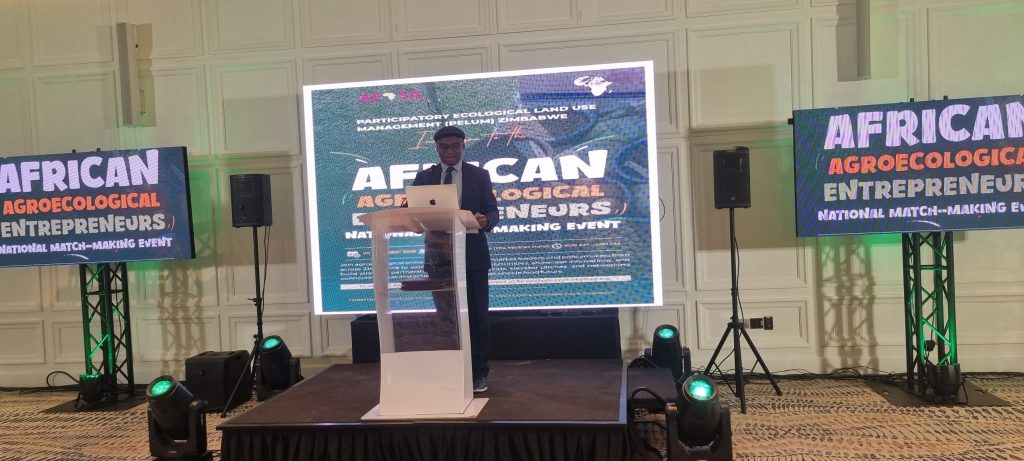
He pointed out that, historically, agriculture in Zimbabwe has been funded mainly by government grants, diaspora remittances, and domestic savings rather than bank or foreign investment.
However, Mr Chanakira believes this is changing.
“With land tenure reforms underway and government incentives available, it is time to attract significant investment into agriculture. Where farmers cannot own land outright, innovative structures such as agro-processing facilities can offer a pathway to ownership and growth.”
He also emphasised the need for international engagement:
“We must represent Zimbabwe at continental forums like the Africa Agriculture Indaba, to showcase our projects and attract the investment our sector desperately needs.”
Empowering Communities and the Next Generation
A young entrepreneur who runs a thriving agroecological business spoke of her journey from small-scale production to mentoring future leaders.
“For me, agriculture is not just a business, it is a calling to empower my community and support the next generation, especially young girls,” she said.
“I started my business out of a desire to improve the health and well-being of our people through nutritious, locally grown foods. Now, I am focused on teaching others how to build sustainable, community-centred enterprises.”
She also highlighted the importance of resilience and innovation in farming.
“We have implemented rotational grazing, water harvesting, and integrated crop-livestock systems on our farm, which have helped us survive repeated droughts and maintain high-quality production. Farmers must be both ecological managers and data-driven decision-makers. By sharing knowledge and supporting each other, we can build truly resilient food systems.”
A Vision for Sustainable Growth
Throughout the day, participants engaged in vibrant discussions on policy, market access, financing, and the role of youth and women in shaping Zimbabwe’s food future. The event concluded with a strong call to action: invest in agroecological businesses, promote innovation, and build partnerships across communities and sectors.
Dr Ndhlukula summed up the spirit of the event:
“The agroecology movement is about living forward. Let us innovate relentlessly and build enterprises that are too resilient to fail. Together, we can secure a greener, healthier, and more prosperous future for Zimbabwe.”