






Community Mirror Reporter
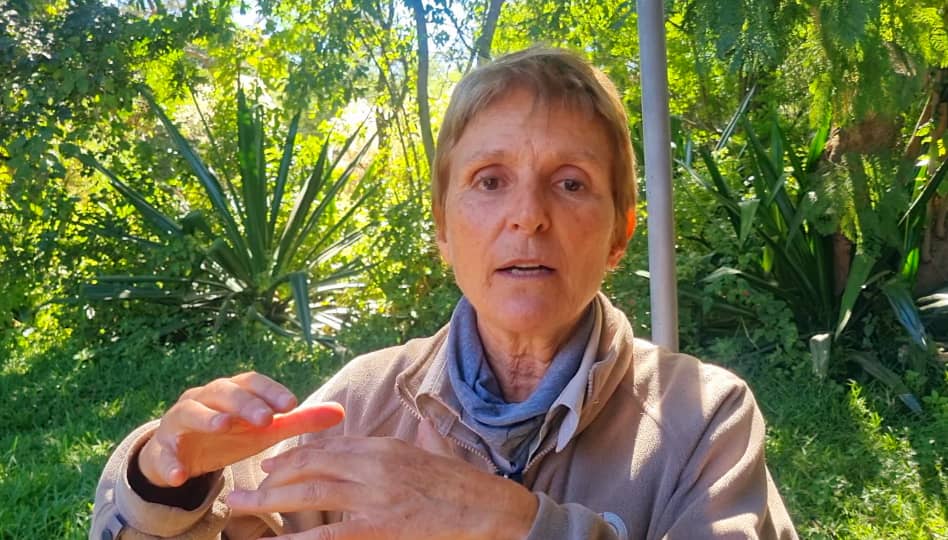
BirdLife Zimbabwe chief executive officer Ms Julia Pierini has issued a stark warning about the critical state of Zimbabwe’s wetlands, revealing that only 18 percent remain intact, as the nation prepares to host the upcoming Ramsar Convention Conference of Parties (COP15) in Victoria Falls this July.
In an interview Ms Julia Pierini said that Zimbabwe’s wetlands are natural water infrastructure. She highlighted three urgent actions needed to protect these vital water sources.
“As a landlocked nation, these fragile ecosystems are our lifeline, particularly our headwater wetlands where streams begin. We must domesticate the Ramsar Convention, strengthen our statutory instruments for ecologically sensitive areas, and overhaul the Environmental Impact Assessment process, which currently has concerning loopholes,” she said.
Of particular concern is the state of urban wetlands in Harare, where development continues to threaten critical water sources.
“What happens in Harare directly affects our Ramsar sites at Lake Chivero and Manyame. The Cleveland Dam and Monavale wetlands are crucial for sustainable urban development, yet they face increasing pressure from construction activities,” she explained.
Pierini praised the government’s recent initiatives, particularly its co-sponsorship with the UK government of Resolution 23.18, which will be debated at COP15.
“This resolution is a significant step forward, focusing on strengthening wetland governance and management, and recognizing wetlands as protected areas,” she said.
However, she stressed that current legislation needs reinforcement.
“Despite having gazetted ecologically sensitive areas in Harare, developers can still build on wetlands through the EIA process. This must change. These areas need to be restored to their natural state to secure water for our cities.”
The BirdLife Zimbabwe CEO is currently preparing a petition for Parliament to address these concerns.
“Water doesn’t come from taps or artificial wetlands – it comes from natural wetlands. This is a fundamental truth that must guide our conservation efforts,” said Pierini.
Similar challenges are being faced across the country.
“This is not just a Harare problem. Cities like Gweru and towns like Rusape are also being developed on their water sources, threatening their sustainability,” she added.
The Ramsar Convention COP15, scheduled for July 2025, presents a crucial opportunity for Zimbabwe to strengthen its wetland protection measures.
Pierini emphasized that the government’s recent steps are commendable but require further reinforcement to ensure long-term wetland conservation.
“Post-Ramsar COP15, we must secure ironclad protection for our wetlands. The future of Zimbabwe’s water security depends on the decisions we make today.”
The conference in Victoria Falls will bring together international delegates to discuss global wetland conservation strategies, with Zimbabwe’s Resolution 23.18 expected to play a central role in shaping future policy directions.